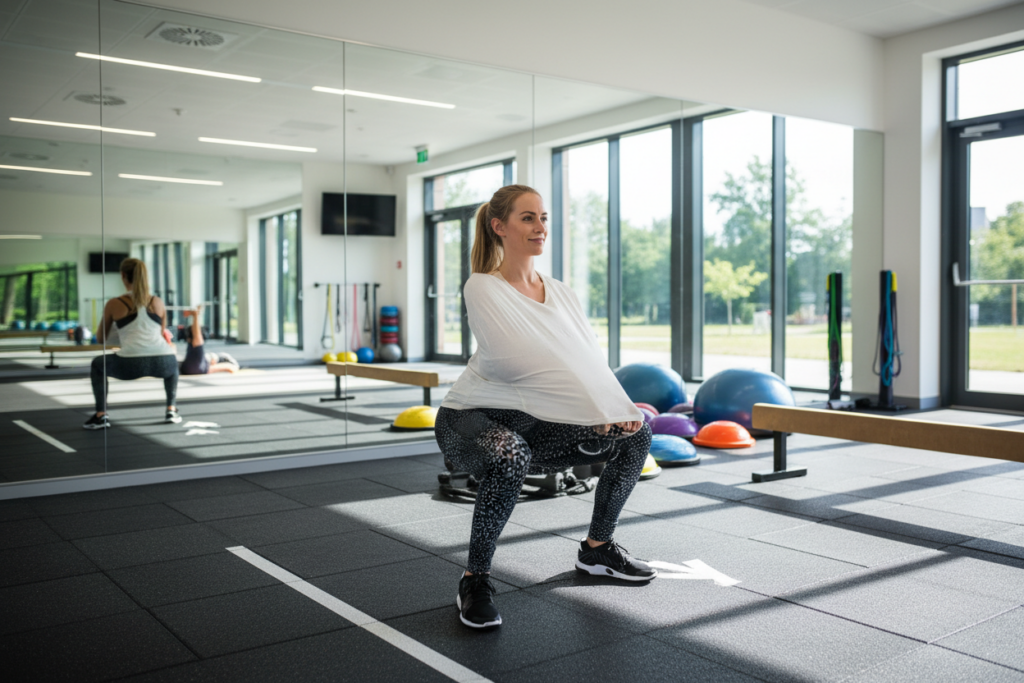
The squat is a key part of functional fitness because it works on strength, balance, and flexibility all at once. In places like the US, where fitness culture is always changing, the simple squat is more than just a basic move. It is a standard for measuring overall health. No matter how long you’ve been working out or how new you are to fitness, learning how to do a squat will help you get stronger and improve your posture and balance. This article will talk about how squats can help you get fit by focusing on how they can improve your strength, flexibility, and balance.
Why Squat Power is Important for Fitness
One of the most important things to think about when doing squats is the amount of power they generate. Squats work the biggest muscle groups in your body, like your quadriceps, hamstrings, and glutes. This exercise helps you build a strong base for getting stronger all over, but especially in your lower body. Doing squats regularly builds muscle endurance and helps you build “functional power” that you can use in everyday life. A strong squat also makes it easier for you to do other hard exercises, like lunges and deadlifts. You will see improvements in both your athletic performance and your everyday movement if you add power-focused squats to your workout.
How squats help with balance and coordination
One of the surprising benefits of squats is that they help with balance and coordination. Squats are usually thought of as a strength exercise, but they also require a certain amount of balance to do them right. When you lower yourself into a squat, your core muscles work to keep you stable as you go down and up. This helps you stand up straighter and teaches your body how to stay balanced while moving. Doing squats on a regular basis can help you become more aware of your surroundings, which can keep you from falling and getting hurt. Better balance makes you more agile and coordinated in everyday tasks, whether you’re standing still or moving.
 30 Minute Sweat and Stretch Yoga Session
How Flexibility Affects Squat Performance
To do a proper squat, you need to be flexible. If you don’t have enough flexibility, your range of motion is limited, which makes it hard to squat deeply or keep the right form. A flexible lower body lets you squat lower, which works more muscle fibres and gives you a better workout. If your hamstrings or calves are tight, you may not be able to go as low, which raises your risk of getting hurt. Squatting regularly can help make your muscles more flexible and your joints more mobile. Adding stretching and mobility exercises to your routine can help you squat better and stop your muscles from getting stiff.
Summary of the Benefits of Squats for Overall Health
Squats are a very flexible exercise that helps with power, balance, and flexibility. Squats not only help you get stronger, but they also help you get better at coordinating your movements and lower your risk of getting hurt. Squats should be a big part of any workout, whether you’re lifting heavy weights or doing bodyweight exercises. They are important for both athletes and beginners because they are a good base for overall movement health.
| Power | Squats improve strength and muscle endurance by working on large muscle groups like the quads and glutes. |
|---|---|
| Flexibility | Increases range of motion, particularly in the hips and knees, reducing stiffness. |
Common Questions (FAQs)
1. How do you do a squat correctly?
Keep your feet shoulder-width apart, squat down with your hips back, and keep your back straight.
2. How can doing squats help my posture?
Squats work your core and back muscles, which helps your posture muscles get stronger and more aligned.
3. Do squats help make your joints more flexible?
Yes, squats make your hips, knees, and ankles more mobile, which makes your joints more flexible.
4. How many squats should I do every day?
Begin with three sets of 10 to 15 squats and slowly add more as your strength and form get better.