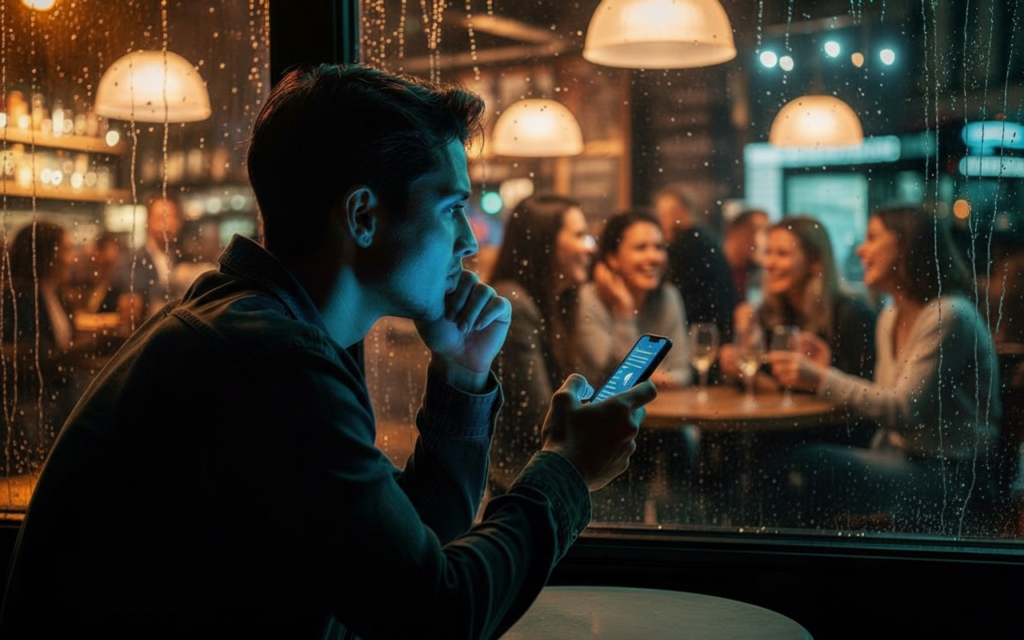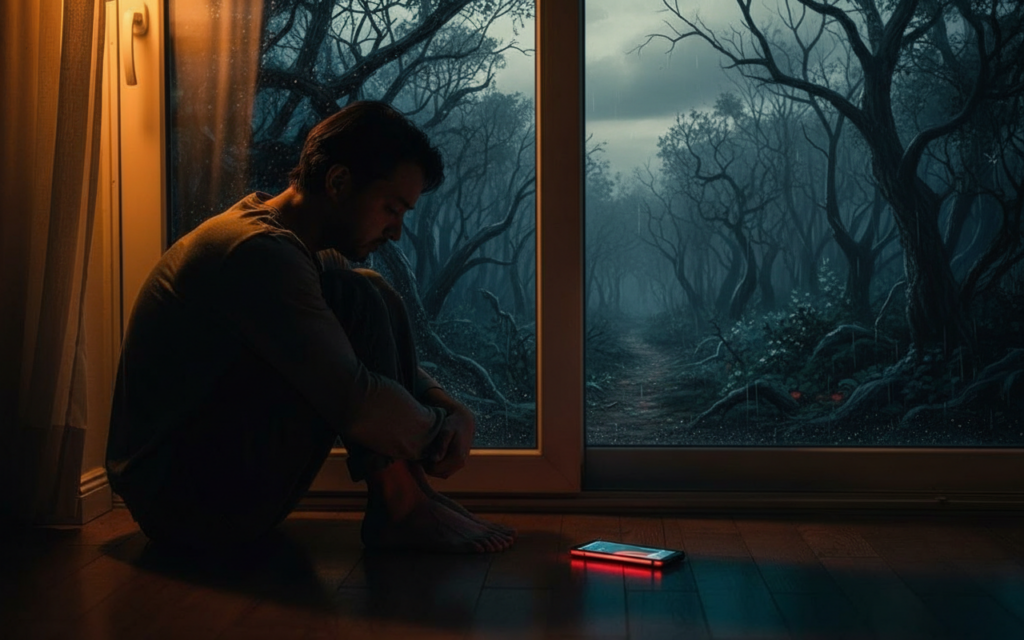
When we get really stressed, a lot of us do the same thing: we close the door, turn off the phone, and go away. Emotional withdrawal feels neat, private, and under control—a calm break in a chaotic world. Counsellors in the UK say that taking a step back can help with immediate conflict and sensory overload. But they also say that this habit can quickly turn into avoidant coping. A short break can turn into a habit that slowly raises your baseline stress level. Using therapist case notes, nervous system science, and real-life stories from clients, we explain below why withdrawal feels safe, how it keeps the stress cycle going, and what to do instead when your system is already on edge.
The Short-Term Safety of Stepping Back
Emotional withdrawal gives you a quick sense of control. When you walk away, things that make you feel threatened, like loud voices, urgent emails, and expectant faces, go away. That makes a quiet space where you can think and your fight-or-flight response calms down. Counsellors call it a “emotional splint” because it helps keep feelings that are too wobbly to carry stable. When you’re feeling overwhelmed, keeping a strategic distance can be a good way to set a boundary. This short retreat can help clients who have to take care of others and stay on a tight budget avoid saying things they will regret and save energy for the rest of the day.
The Problem with Withdrawal Over Time
The problem is what comes next. If you don’t have a plan to reconnect, withdrawal turns into avoiding default. Messages go unread, conversations are put off, and meanings are made in silence. In the meantime, the brain fills in the blanks with the worst-case scenarios. Silence isn’t a neutral state of mind; it’s information that your threat system uses to stay alert. Counsellors say that when you repeatedly disengage, it can teach your partner, coworkers, and even your kids to tiptoe around you, which makes things more tense and, ironically, the stress you were trying to get rid of.

The Physiology: Why Stress Gets Worse When You Withdraw
Your nervous system sees supportive touch as a resource signal. When we completely pull back, we take away cues like voice tone, facial warmth, and gentle touch that turn on the ventral vagal circuit that is linked to social safety. Being alone can lower arousal in the short term. But when it stretches, cortisol levels stay high, sleep is broken up, and attention is focused. Without social co-regulation, the body has to work harder to calm itself down, which can make you irritable, give you headaches, and make you react quickly to small stressors.
 "Go vegan, die sooner?": Chinese study warns meat may boost odds to 100 for underweight elders
Case Notes from Counsellors: Patterns: Pros and Cons
There is a pattern that can be seen in practice rooms all over the UK. People pull away not because they don’t care, but because they care so much that getting involved feels dangerous. Jas, a 34-year-old project manager, learned to “play dead” during family fights. Now, when things get tough at work, she goes camera-off for days. She says it “keeps the peace,” but her team sees silence as disrespect. What keeps the self safe in one place can make people less trusting in another. Counsellors say that this is a way to attach to people, not a flaw in your personality.
From Retreat to Repair: Options Based on Evidence
Counsellors say to keep the break but add some structure. First, set a time limit for your absence. Ten to thirty minutes is enough time for your nervous system to calm down without going into avoidance. Second, get your body moving: long exhale breathing, a brisk walk, or rinsing your face with cold water and then warm water all help the vagal system feel safe. Before it is a mental insight, regulation is a physical act. Third, come back with a simple script that acknowledges both your need and the relationship: “Thanks for waiting. I’m back and ready to listen.”
| Mechanism | Short-Term Effect | Cost Over Time |
|---|---|---|
| Less sensory input | Less immediate arousal | Increased sensitivity upon re-entry |
| Less time spent with other people | There are fewer fights today. | Less co-regulation, more cortisol |
| Thinking about things over and over | The illusion of solving problems | Thinking about bad things, not being able to sleep |