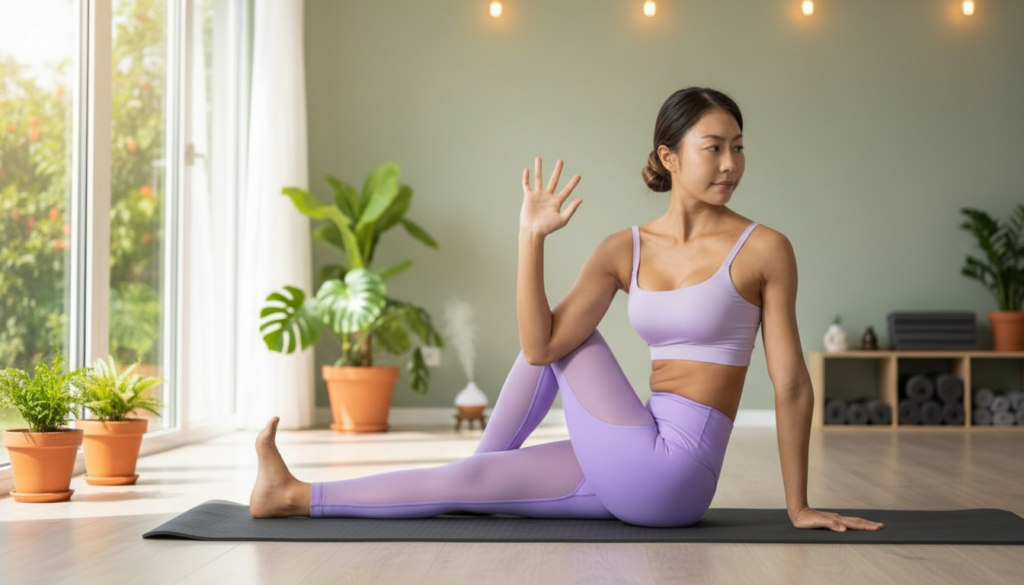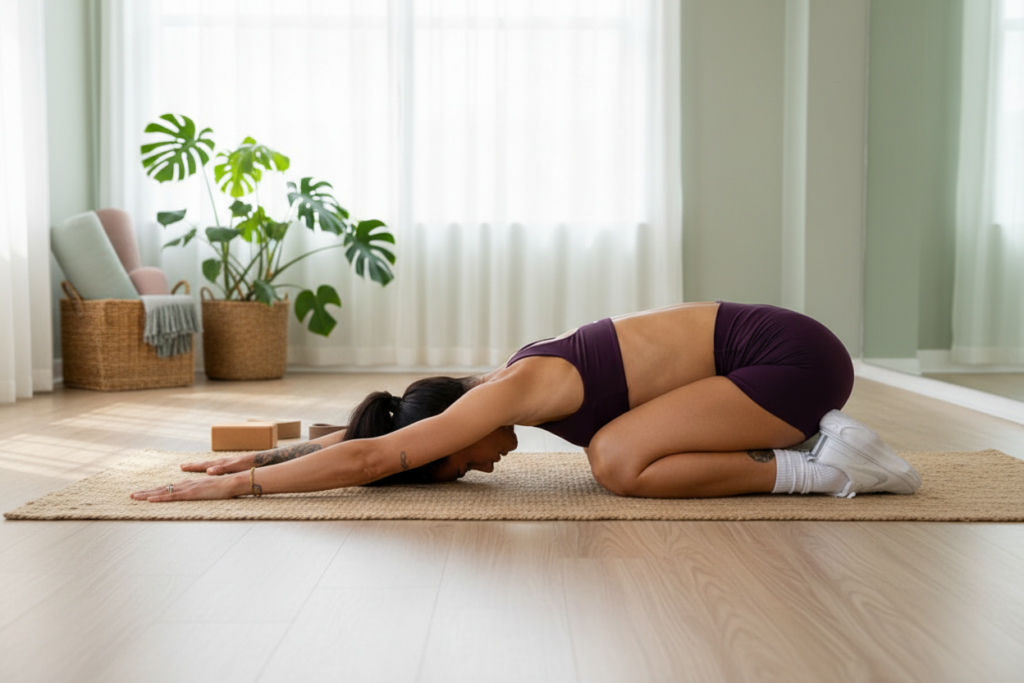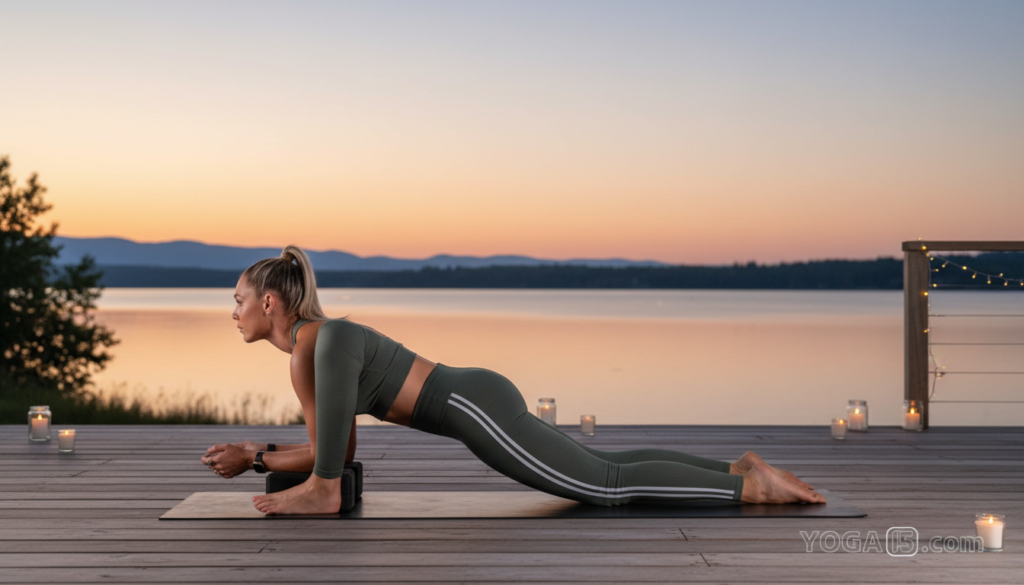
Tight hips can make you feel stiff and uncomfortable after a long day of sitting at a desk, commuting, or standing for hours. In the US, where many adults spend a lot of time sitting, problems with mobility and pain in the lower back are becoming more common. That’s why doing yoga poses in the evening that open up tight hips and make it easier to move around can really help. A calm nighttime routine not only relaxes your body, but it also gets you ready for deeper sleep, which will make you feel lighter, more flexible, and refreshed when you wake up.
Gentle Evening Yoga Poses to Help Your Hips and Flexibility
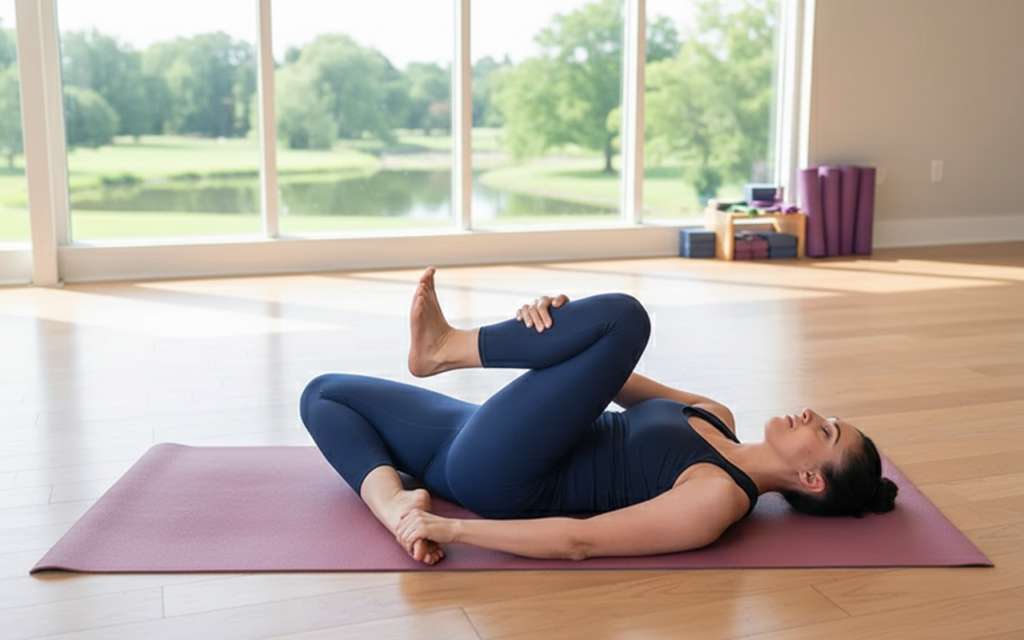
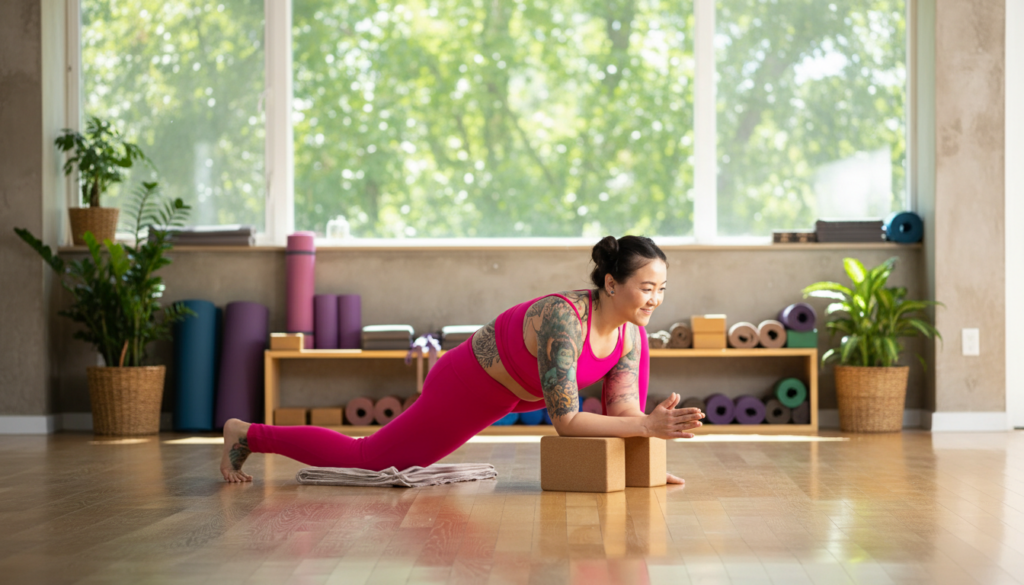
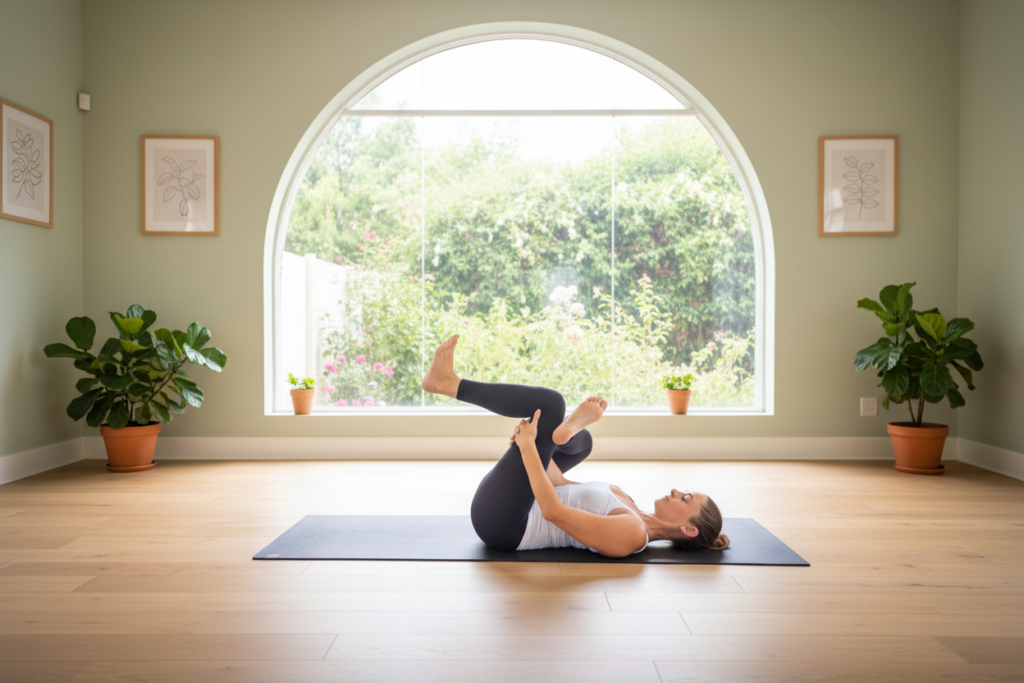
Moving slowly and on purpose at first helps your body switch from a busy day to a relaxing one. Butterfly, Low Lunge, and Supine Figure Four are all great poses for a “deep hip stretch” that won’t hurt your muscles. These movements help your joints move naturally and calm your nervous system at the same time. You will feel less tension in your hip flexors and glutes as you breathe steadily. This will help you relax in the evening, even when you’re not on the mat. Regular practice can also help with lower body flexibility, which makes things like walking and climbing stairs feel smoother and more comfortable over time.
Safe Nighttime Yoga Routine to Loosen Tight Hips
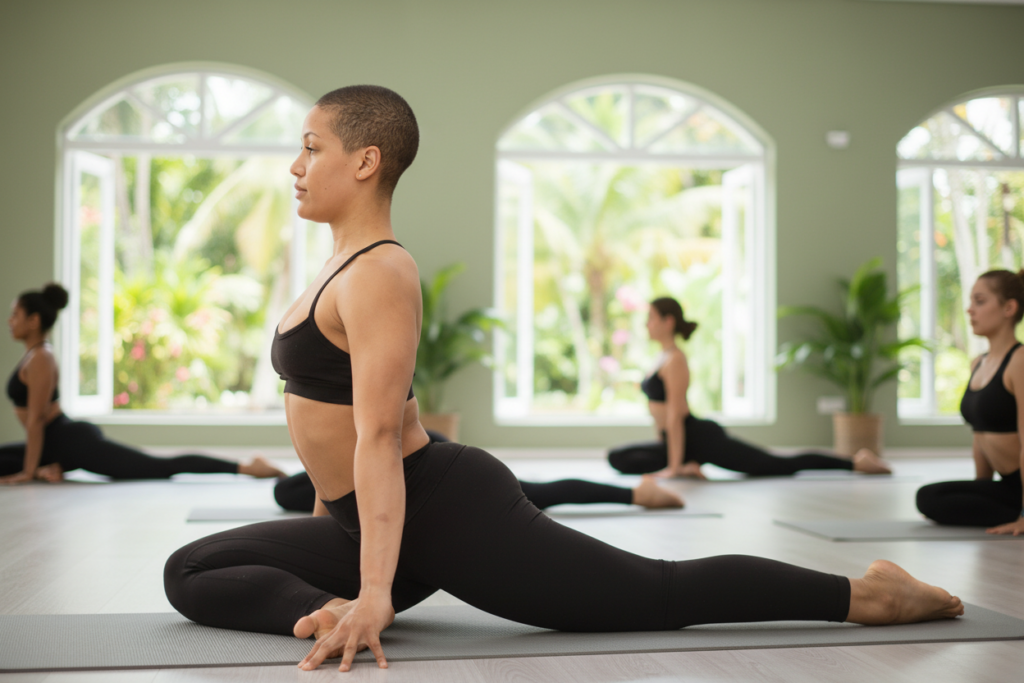
A safe nighttime yoga routine includes breathing exercises and stretching that gets longer over time. Adding poses like Pigeon Pose or Reclining Twist helps to slowly release muscles that are deeper in the hips. Don’t push too hard; instead, use controlled breathing flow to help you with each stretch. This mindful approach lowers the risk of strain while improving range of motion. After weeks of practice, you might notice that your hips are less stiff, especially if you sit for long periods of time or do the same movements over and over again that make your hips tight.
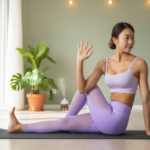
Evening Hip Mobility Exercises for Long-Term Comfort
Consistency is key when it comes to lasting mobility improvements. Adding dynamic but gentle exercises like Cat-Cow transitions and Garland Pose builds “functional movement strength” around the hips. These exercises help stabilise your pelvis and support your spine by promoting balanced muscle activation. Evening sessions can improve the joint lubrication process when done regularly, which keeps movements smooth and pain-free. Over time, this makes everyday life more comfortable in the long run, whether you’re working out, working, or just getting up from a chair.
Why Evening Yoga for Hip Mobility Really Works
Evening yoga works because your body is naturally warmer and more open to stretching after a long day of moving around. This makes it easier to get to deeper tissues without having to push them. You can help relieve stress and tension while also keeping your posture healthy by combining mindful breathing with specific hip openers. The slow pace also triggers the parasympathetic response, which makes sleep better. Over time, these sessions help you gain consistent mobility and become more aware of your body as a whole, which makes it easier and more confident to move through life.
| Yoga Pose | Main Benefit | Recommended Duration |
|---|---|---|
| Butterfly Pose | Opens inner hips | 1–2 minutes |
| Pigeon Pose | Targets deep hip muscles | 1 minute each side |
| Supine Figure Four | Releases glutes | 1–2 minutes |
| Garland Pose | Improves squat mobility | 30–60 seconds |
| Reclining Twist | Relieves hip tension | 1 minute each side |
Common Questions (FAQs)
1. How many times a week should I do yoga at night to loosen up my hips?
You should practise 3 to 5 times a week to see real changes in how your hips move.
2. Are these hip mobility poses okay for beginners?
Yes, beginners can start slowly and change poses to fit how flexible they are.
3. How long should a yoga class at night last?
A routine that lasts 15 to 25 minutes is usually enough to loosen up tight hips.
4. Will doing yoga in the evening help with lower back pain?
Yes, making your hips more flexible often makes your lower back feel better.