People often say that electric cars are good for the environment, but critics say that the green promise looks less solid when you look at all the emissions data. The debate is especially heated in India, where coal still makes most of the electricity and EV adoption is speeding up. Sceptics say that the math behind electric mobility is more complicated than marketing makes it seem. For example, mining battery materials and charging vehicles on grids with a lot of carbon. The question isn’t whether electric cars lower pollution at all; it’s whether their real-world effects match the clean image that many drivers have of them.
Electric car emissions make us think about things we don’t want to think about.
People who don’t like electric cars talk about the idea of hidden carbon costs that show up long before a car is on the road. To make batteries, lithium, cobalt, and nickel must be mined, which takes a lot of energy and is often done in places where environmental rules are not very strong. This makes emissions happen all at once, while petrol cars spread them out over years of driving. In India, transporting raw materials and putting batteries together can cause a spike in manufacturing pollution that buyers don’t often see. Supporters say that EVs make up for this over time, but sceptics say that the emissions breakeven point may not come until much later than expected, depending on how the car is used and where it gets its energy.
Why electric cars aren’t always good for the environment in India
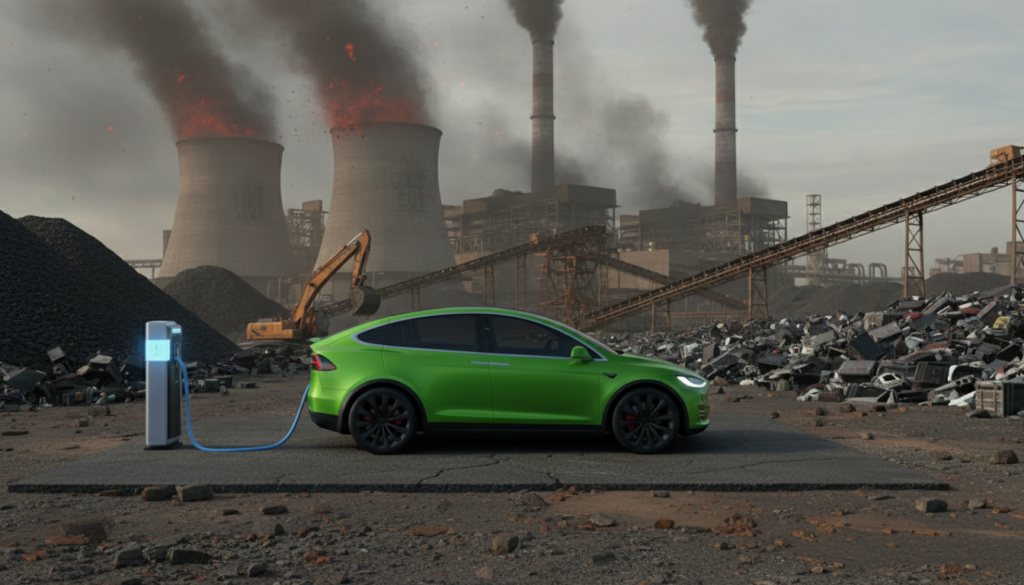
How clean an electric car is depends a lot on how the electricity is made, and that’s where India has problems. Because coal makes up a large part of the power supply, charging an electric vehicle can mean using a grid that is heavy in coal. This means that indirect tailpipe emissions are moving from roads to power plants. Charging stations in cities may use electricity during peak hours, which is often the dirtiest energy source. Critics say that the current mix of renewable energy sources creates a problem with carbon transfer. This makes the air cleaner in some places but does less to help the climate as a whole.

The maths that critics say buyers don’t pay attention to when it comes to emissions
Environmental groups say that a lot of EV comparisons are based on too-good-to-be-true assumptions. Short ownership cycles can make lifecycle emissions worse, especially if batteries are changed out early. Recycling systems for used packs are still limited, which makes it hard to know what will happen at the end of their life and adds risks for the future. Drivers in areas with unreliable charging infrastructure may rely on diesel backup power, which quietly cancels out emissions gains. Critics also point out that the carbon debt from manufacturing isn’t fully paid off before resale or scrappage because of uneven usage patterns, like low annual mileage.
Rethinking what it means to be “green”
This doesn’t mean that electric cars don’t help the environment, but critics say that the conversation needs to be more honest. A truly sustainable transition needs clean power, better battery recycling, and cars that last longer. If these things don’t happen, EVs could end up being a symbolic solution to climate change instead of a real one. India’s chance is to combine electric mobility with the growth of renewable energy sources and smarter grids. If not, the change may make streets quieter and cities cleaner, but it will only partially reduce emissions on a national level.
| Electric Cars Factor | Cars that run on petrol |
|---|---|
| Emissions from manufacturingHigh because of batteries | Less of an effect at first |
| Running emissionsIt depends on the source of power. | Always high |
| Source of energyPower from the grid | Fossil fuels |
| Pollution in the air around hereVery low | High |
| Impact at the end of lifeProblems with recycling batteries | Normal scrap |
Questions that are often asked (FAQs)
1. Do electric cars harm the environment more than petrol cars?
No, but their benefits depend a lot on where the electricity comes from and how it is used.

2. Why is it so important to make batteries?
Because it makes a lot of pollution right away that takes years of driving to make up for.
3. Does India’s power mix have an effect on EV emissions?
Yes, using coal to make electricity takes away a lot of the climate benefits of electric vehicles.
4. Will electric cars ever really be green?
They can if they are used with cleaner grids, better recycling, and longer vehicle use.