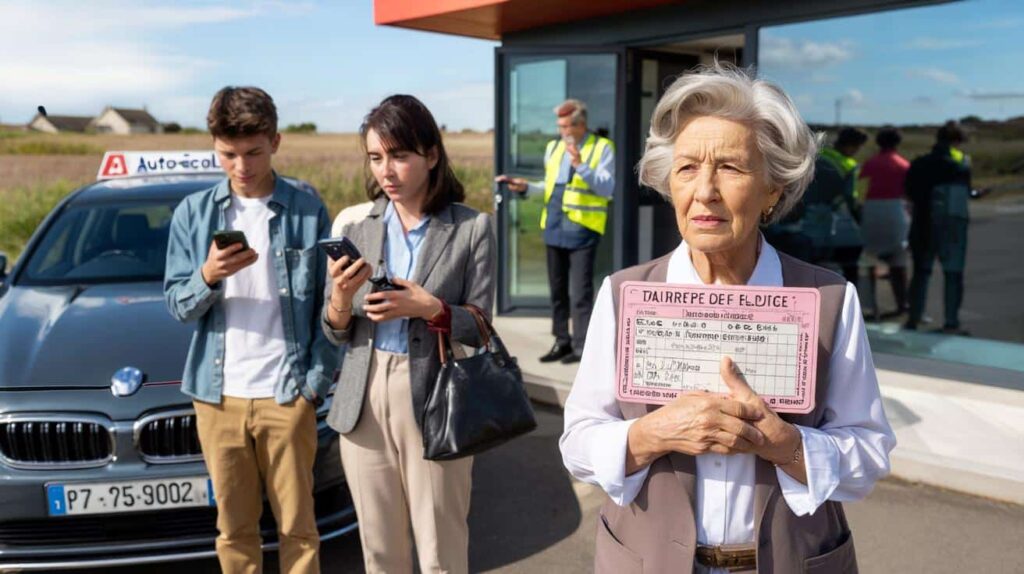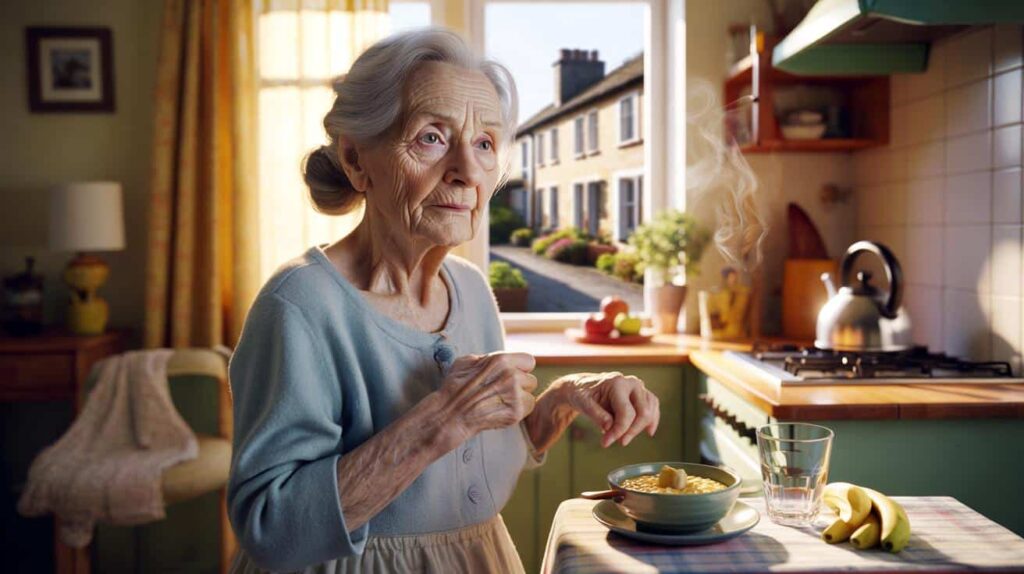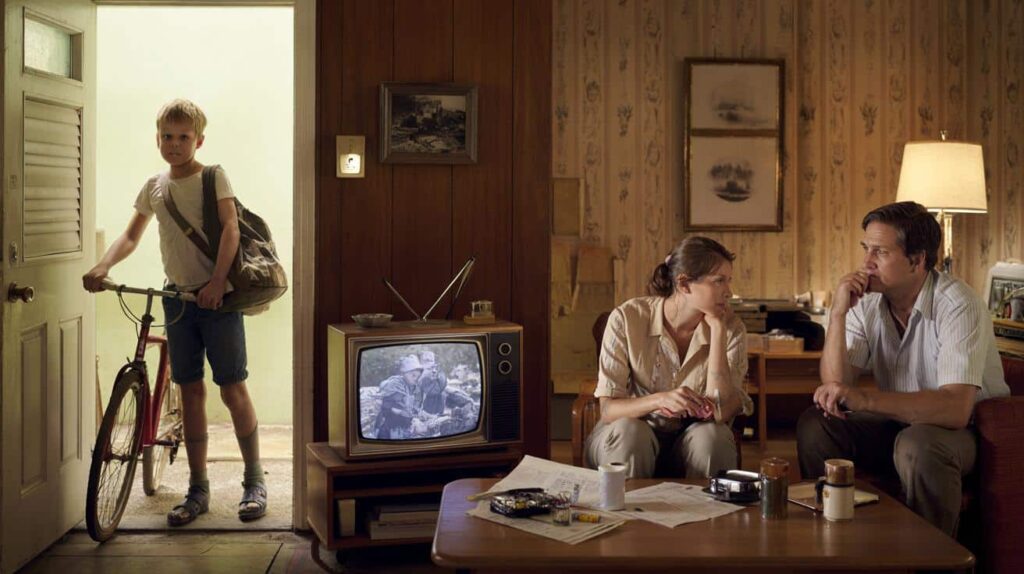
You can see the faces of people born after 1990 go from being interested to being scared. No phones, no helmets, no GPS, and parents not keeping track of everything you do. A vague rule: get home before dark.
People who grew up in the 1960s and 1970s have this strange mix of toughness and softness. They learned how to get back up quickly, hide their feelings, and keep going. A therapist might write “attachment wound” or “emotional neglect” on a file today, but back then, people just said, “That’s life.”
The twist is scary. Some people now call what happened trauma, but it used to be called training.

The seven “strengths” that the 60s and 70s quietly built into the system
If you look at social media, you’ll see millennials and Gen Z using psychological language to talk about their childhoods. Then you talk to someone who was raised by a World War II veteran or a mother who worked two jobs in 1974, and they say, “We just dealt with it.” That coping wasn’t by chance. It created seven traits that kept coming up: being overly independent, being emotionally numb, being able to deal with conflict, being loyal no matter what, being responsible without showing it, wanting to please others, and being able to “just get on with it.”
In the past, these things looked like gold in the workplace and at home. Now, they are more and more seen as ways to survive in a harsher emotional climate.
Imagine a 10-year-old in 1971. He goes to school by himself. He either goes hungry or trades with a classmate if he forgets his lunch. The teacher might tell him to “fight back” or “ignore them” if he is being bullied. Parents are tired and stressed at home. They might be chain-smoking in the kitchen while watching the evening news about Vietnam or local strikes.
This is now known as “early autonomy under emotional under-support” by psychologists. It was just called growing up back then. This child learns not to bother adults, not to cry for too long, and not to expect anyone to come to his or her rescue when he or she is bored or uncomfortable.
From a clinical perspective, that environment triggers stress systems early and frequently. The child’s nervous system adjusts by downplaying emotional needs and making self-reliance stronger. That’s how hyper-independence starts.
In the 1990s, bosses praised “self-starter energy,” which often came from never being able to rely on anyone. The same goes for “stoic responsibility”: when parents tell a nine-year-old, “You’re the man of the house now,” they are putting adult responsibilities on a child’s brain that is still growing.
Psychology doesn’t say that this makes you weak. It just shows the hidden cost on the inside.
How the story changes in therapy rooms, from resilience to trauma
If you ask a therapist what they hear from kids who grew up in the 1960s and 1970s, you’ll hear the same thing over and over. “I’m fine. My childhood was normal.” My parents put in a lot of work. They did their best. After two more sessions, they start to cry when they talk about never being hugged, being scared of their father’s anger, or being told to “stop whining” when they were really scared.
One simple way that many psychologists work with this generation is to ask, “Would you say the same things to your 8-year-old self?” That’s where the armour breaks. The adult suddenly realises that what they thought was toughness was often a child trying to stay alive.
Maria was born in 1968. She is proud that she has never taken a sick day, never asked for help, stayed late at work, or said yes to family needs. She looks like a hero on paper. She feels tired, angry, and quietly sad inside.
Her therapist writes down her seven “strengths”: she can deal with conflict, she doesn’t break down when people criticise her, she is unreasonably loyal, and she always puts others first.
Then a small, sharp question: “When did you first find out that your needs didn’t matter?” Maria remembers being 7 years old and making dinner while her mother was lying in bed in the dark and her father was working nights.
Psychology sees traits like Maria’s as ways to protect herself. People-pleasing is often the best way for a child to keep adults who are not stable calm. Emotional numbness protects you from yelling, drinking, or deep sadness that isn’t spoken.
The language of trauma today doesn’t blame parents from that time; many of them lived through war, economic crisis, or social upheaval. It shows how kids took that stress into their nervous systems. The same seven strengths that helped them do well in their jobs can hurt their relationships, parenting, and even their health years later.
Let’s be honest: no one really does this emotional audit every day. Most people just feel a vague heaviness and say, “I’m getting older.”
What to do when your “strength” is really a scar that grew muscles
A lot of psychologists recommend a useful exercise for people who grew up in the 1960s and 1970s. Write down one of your so-called strengths at the top of a page. For example, “I never rely on anyone,” “I always stay calm in a crisis,” or “I can take a lot of criticism.” Then, answer three questions below:
 The “grandparent habit” that psychologists say creates the strongest bond with grandchildren
- When did I first need this?
- How does it help me now?
- Where does it hurt me without making noise?
This slows down the automatic pride and lets in some nuance. You start to realise that your famous calmness in conflict might not just be “being the rational one,” but also low-level dissociation.
One mistake people often make is going from one extreme to the other. Some people read about trauma and suddenly call their whole childhood a disaster, which makes it hard for them to remember the good things that happened. Others hold on to the old story with all their might: “I turned out fine, stop being dramatic.”
Both sides stop healing. The fertile ground is in the middle. You can honour the strength you built up as a child while also admitting that no child should have had to be that strong. *You are not betraying your parents by being honest about what happened to you.
Self-compassion isn’t soft here. It fixes the structure of a house that has been through a lot of bad weather for years.
Lindsay Gibson, a psychologist, says that a lot of parents from the 1960s and 1970s were “emotionally immature adults doing their best in a world that didn’t speak the language of feelings.” Their kids did a great job of adjusting. The cost of that brilliance comes later in life.
Too much independence
Every week, try to rely on someone else for something small, like asking for a ride, saying you’re tired, or letting someone else choose dinner. Be aware of the anxiety that comes up without judging yourself.
Not feeling anything emotionally
Set aside five minutes every day to “check in” and name three feelings in your body. This slowly opens up channels that had to close to stay alive.
Being able to handle conflict
Instead of saying you can “handle anything,” ask yourself, “Which conflicts are draining me and not worth putting up with anymore?”
Loyalty at any cost
Map out the places where loyalty has turned into self-betrayal: jobs that are no longer right for you and relationships that are only held together by guilt, not love.
Being responsible and trying to make people happy
Try out small disappointments: say no once a week and see that the world doesn’t really fall apart.
Having both stories at the same time
There is a quiet revolution going on at family dinners. Parents are shocked or confused when their adult children in their 50s and 60s say things like, “You know, I was scared a lot back then.” Or the parents aren’t there, and the talk happens with siblings, friends, or in a therapist’s office instead.
The psychological lens of 2026 doesn’t change what happened in the 1960s and 1970s. Cities were rougher, mental health wasn’t talked about much, many fathers were emotionally stuck in their own childhoods, and many mothers were stuck between old expectations and new freedoms. The seven strengths that era forged are still useful in crises, at work, in activism, and when caring for others.
The change is that we no longer think of constant endurance as a good thing. We can tell when resilience becomes self-erasure. We can admire the kid who walked to school by himself, but we can also wonder why no adult walked with him sometimes.
For many people from that generation, healing means accepting both truths. Yes, you are strong. Yes, you were hurt too. Not one of them cancels the other out.
When people start telling these longer stories, something else happens: younger people pay attention in a different way. They stop thinking of their parents as cold, distant aliens and start to see how survival strategies work in real life. “I thought you didn’t care,” some people will say. Some people will hear, “I did my best with tools no one taught me.”
Repair can grow in the space between what was meant and what was felt. And that’s where those seven strengths can finally breathe without having to prove anything.
| Important point | Details that are useful to the reader |
|---|---|
| Seven strengths as changes | People-pleasing, hyper-independence, and stoicism are all traits that often started as ways to stay alive as a child.Helps readers think of “personality” as something they learned instead of something they have to deal with. |
| Trauma and strength can happen at the same time. | The same things that made you tough also hurt you emotionally.Allows for the recognition of both resilience and suffering without negating either. |
| Little, useful tests | Gentle actions like asking for help, saying no, or paying attention to how your body feelsgives specific steps to take to start healing without making big changes |