ATMs are supposed to make it easy and quick to get cash, but many people in the US have panicked when a machine suddenly took their bank card. This seems like a random event, but it happens a lot more than banks are willing to admit. There are real reasons for these events that don’t get explained at the counter very often. These include silent security triggers and old technology. Knowing why ATMs “swallow” cards can help you stay calm keep your money safe, and avoid getting angry if it ever happens to you.
Why do ATMs take cards without warning?
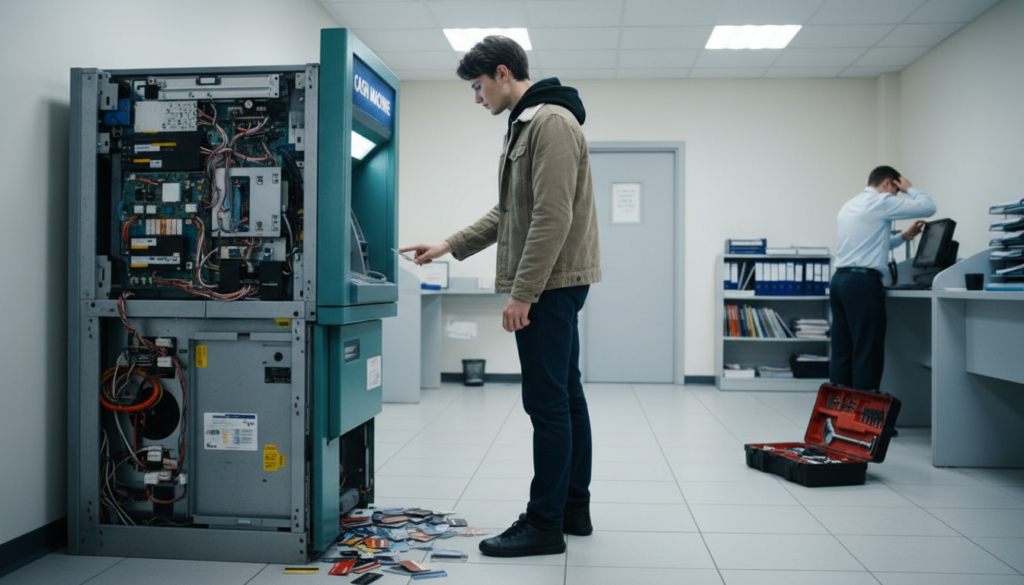
When an ATM takes a card, it’s usually not a mistake; it’s how the machine was made to work. Banks make machines that keep cards when they think someone is trying to commit fraud, when someone enters the wrong PIN too many times, or when someone says their card is lost. Another thing that is often missed is that magnetic strips can stop working in the middle of a transaction. During busy times, machines may also act on delays in network verification. Older places are more likely to make mistakes because their ATM software is out of date. Even though it seems sudden, the machine is following strict rules to cut down on financial crime, even if it makes the customer experience worse.
The Secret Rules of Banking That Keep Your ATM Card
Banks don’t often explain that their policies, not the decisions of local staff, guide how ATMs work. Automated risk scoring systems that flag unusual withdrawal patterns catch a lot of cards. If a card goes over a set limit, temporary security holds may happen right away. Using your phone across borders can also turn on international usage blocks, especially if you don’t have travel alerts set up. When banks’ backend systems don’t match up, machines sometimes err on the side of caution and keep the card instead of approving a risky transaction.

How often ATMs take cards and what you can do about it
A lot of people don’t know that card capture happens more often than they think, especially in busy cities. High-traffic machines have problems with mechanical wear that make more mistakes. Poor maintenance schedules can cause card readers to stop working, and sudden changes in power can cause safety shutdowns. If someone takes your card, you need to act quickly. Calling the bank right away will help limit the damage that can happen when someone else uses your card. Users can pick reliable ATMs and avoid future surprises if they know these reasons.
What This Means for People Who Use ATMs Every Day
The truth is that ATM card capture is a planned safety measure, not a random hassle. Banks care more about the safety of the whole system than the comfort of each person, which is why there isn’t clear communication. When customers know what the bank’s liability limits are, they can respond with more confidence. Knowing about usage pattern monitoring can help stop false flags, and using well-lit, bank-owned machines lowers the risks of using an ATM owned by someone else. In the end, users who know what to do are less likely to freak out and more likely to bounce back quickly when they run into these annoying but avoidable problems.
| A common reason why it happens | What the user did |
|---|---|
| Wrong PIN Attempts | Security protocol startedGet in touch with the bank right away |
| Card has expired | Authorisation not valid. Request a new one. |
| Possible Fraud | A strange pattern of transactionsCheck recent activity |
| Problem with the machine | Error in hardware or software: Report the location of the ATM |
| Network Error | Timeout for connectionKeep an eye on the status of your account |
Questions and Answers (FAQs)
1. Why did the ATM take my card?
It was probably set off by a security rule, like entering the wrong PIN too many times or thinking there was fraud.

2. Is it possible to get my card back from the ATM?
Most of the time, you’ll have to ask your bank for a new card.
3. Does card capture mean that my account has been hacked?
No, it usually means that the system found a possible threat and took action to stop it.
4. How can I keep ATMs from taking my card?
Use bank ATMs that are in good shape, enter the right PIN, and let banks know before you leave.