Slow Flow Yoga for Deep Hip Opening and Emotional Release is becoming more popular in the US as more people look for ways to deal with stress and reconnect with their bodies. This gentle but powerful style is different from fast-paced workouts because it focuses on purposeful movement and being aware of your breath. A lot of Americans spend a lot of time sitting at desks or driving, which can make their hips tight and their emotions tense. Slow flow yoga is a balanced way to help people become more flexible, stable, and calm inside. It also helps people release emotions that have been stored away in a safe and supportive way.
Benefits of Slow Flow Yoga for Deep Hip Opening
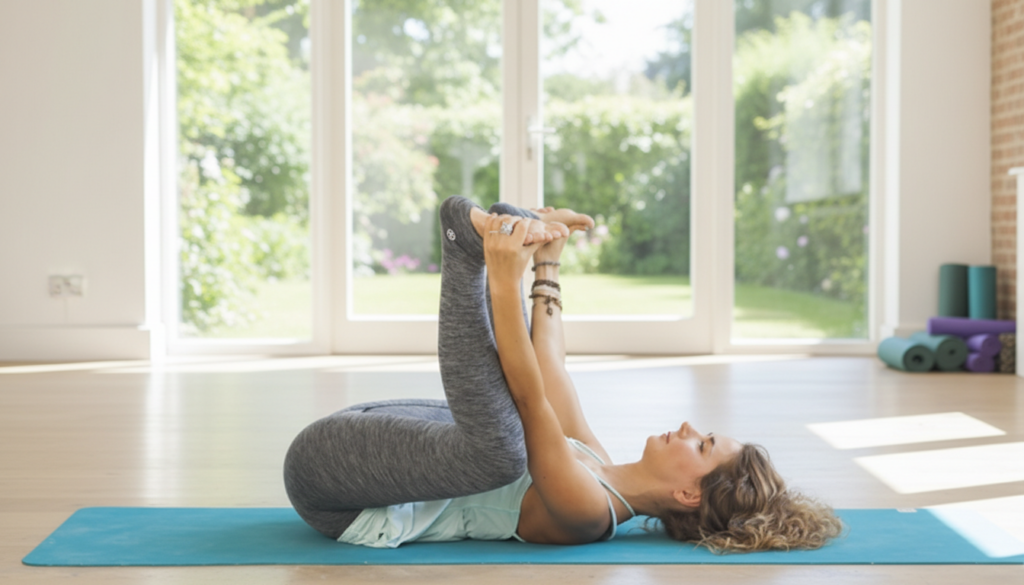
Slow flow yoga focuses on slow changes and longer holds, which lets the hips relax without forcing them. The body starts to let go of tight muscles that build up from sitting for a long time or working out hard when you do gentle, long stretches. This method protects delicate ligaments and connective tissue while making the hip joint more flexible. As muscle tension releases naturally, many practitioners notice that their posture improves and their lower back pain goes away. Over time, regular practice helps keep your body in a balanced position, which makes moving around every day easier and more comfortable. This style is beautiful because it teaches you to be patient, which helps you really feel each stretch instead of rushing through poses.
How Slow Flow Yoga Helps You Let Go of Your Emotions
Hip-opening sequences are often connected to emotional awareness because the hips can hold onto stress that hasn’t been dealt with. Mindful breathing techniques help calm the nervous system and give you time to think during a slow flow session. When poses are held with purpose, practitioners may notice small signs of “stored emotional tension” coming to the surface. This process helps keep the nervous system in check, which lets emotions flow without getting too much. After class, a lot of people say they feel a sense of “deep inner awareness,” as if both their body and mind are lighter. The steady rhythm of movement and breathing makes it easy to let go of emotions without feeling like you have to.
Best Poses in Slow Flow Yoga for Deep Hip Opening
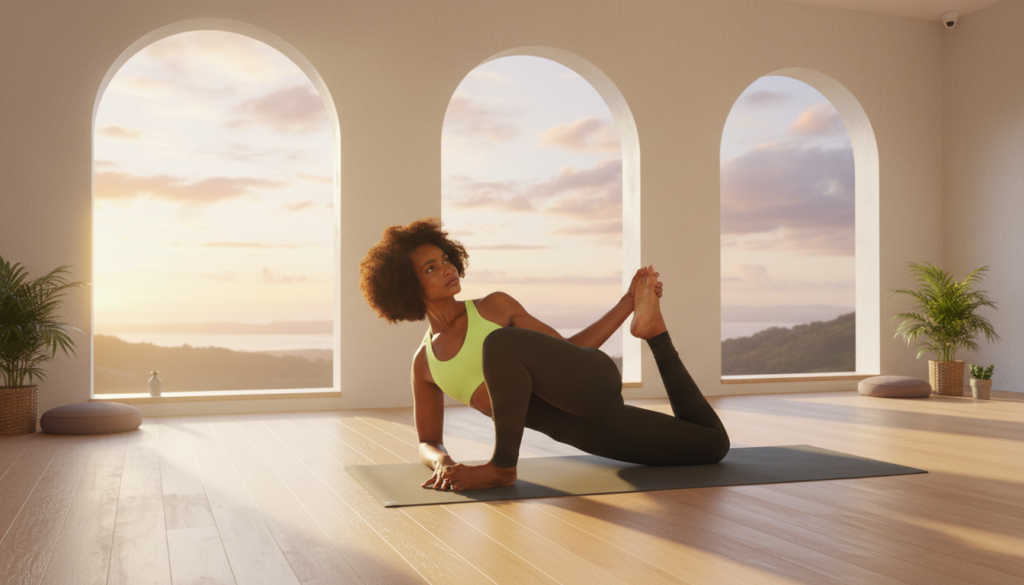
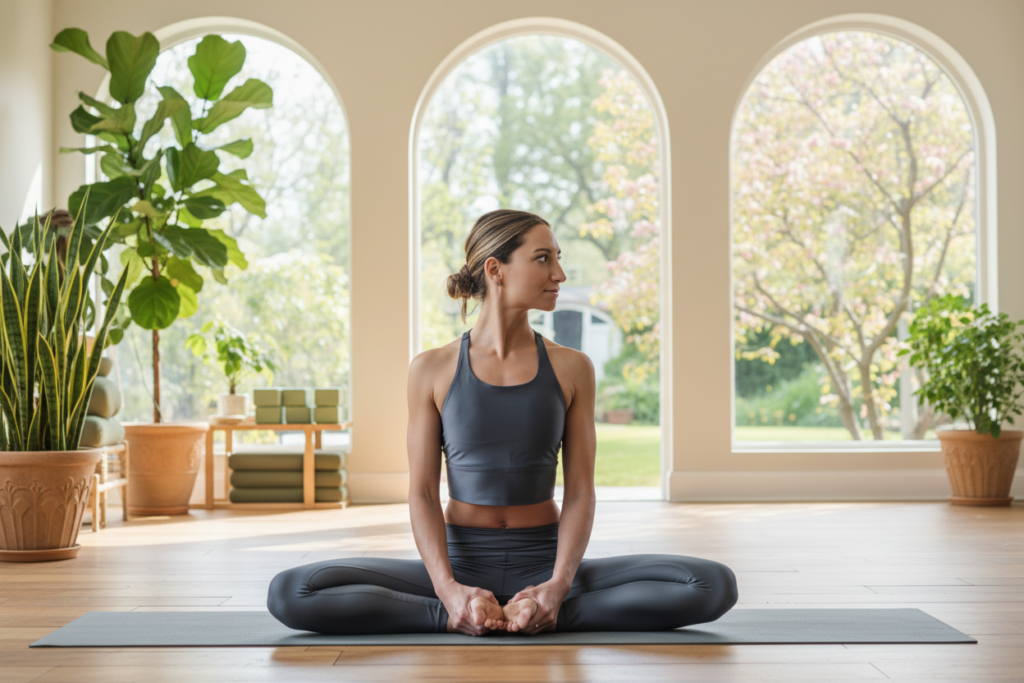
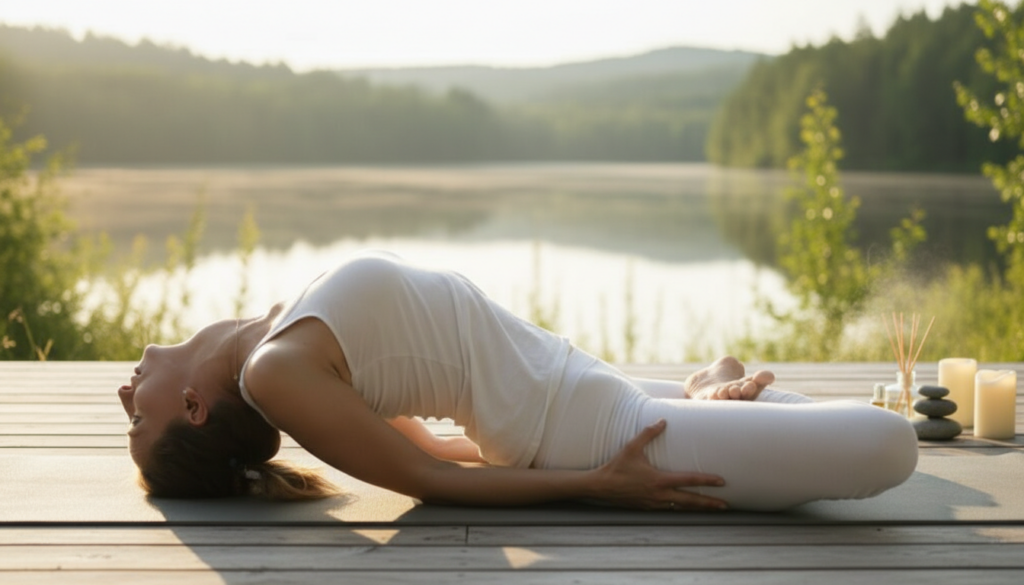
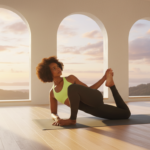
Some poses work better than others in a slow flow practice that focuses on the hips. The low lunge sequence and other movements like it slowly open up the front of the hips while also making the muscles around them stronger. Another favourite is “Pigeon pose variation,” which gives a strong but manageable stretch when done with care. Gentle moves into the “butterfly stretch hold” help you relax and think about yourself. Ending with a “supported bridge pose” helps you keep your balance while getting the most out of the benefits. Moving slowly between these poses makes you more aware of your body and prevents strain. This helps your flexibility grow along with your strength and control.
Why Slow Flow Yoga Makes Changes That Last
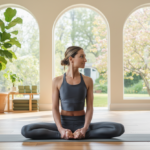
The real strength of slow flow yoga comes from being consistent and present. Practitioners build strength without going too far by focusing on “intentional body movement.” Over time, this regular practice makes you more flexible and helps you grow emotionally strong. Sessions focus on “steady rhythmic breathing,” which helps the mind stay grounded even when things are hard. A lot of people in the United States do this style every week to keep their minds clear and their bodies flexible over time. Slow flow yoga doesn’t look for quick results; instead, it encourages long-term change that helps both your body and mind.
| Pose Name | Primary Benefit | Recommended Hold Time |
|---|---|---|
| Low Lunge | Opens hip flexors | 30–60 seconds |
| Pigeon Pose | Releases deep glutes | 45–90 seconds |
| Butterfly Stretch | Improves inner thigh flexibility | 60 seconds |
| Supported Bridge | Strengthens and stabilises hips | 45–60 seconds |
| Seated Forward Fold | Calms nervous system | 60 seconds |
Common Questions (FAQs)
-
Is slow flow yoga good for people who are new to it?
Yes, beginners can safely do slow flow yoga as long as they move at a pace that feels good to them.
-
How often should I work on my hip flexibility?
Practicing two to three times a week can slowly make your hips more flexible.
-
Can opening up your hips really help you let go of your emotions?
As the tension in the hips starts to go away, many people say they feel different emotionally.
-
Do I need any special tools for slow flow yoga?
A yoga mat and some optional props, like blocks or bolsters, are usually all you need.